Mobile exposure log for firefighters with local, privacy-first records
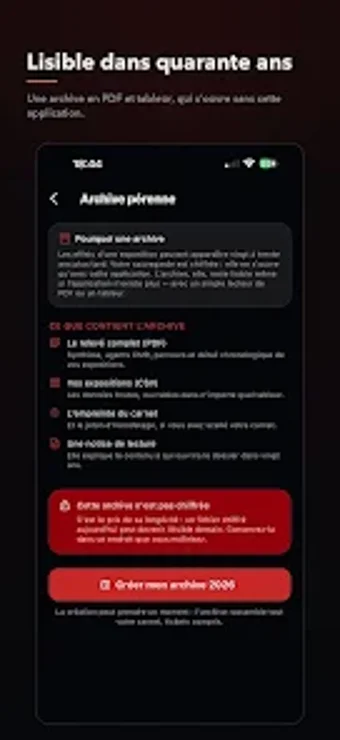
Record occupational exposures with TRACE SP, created by Aurélien MOREL, a working firefighter-developer. The app functions as a mobile professional traceability log that helps firefighters save exposure events after interventions, training, or routine duties for later medical review. It emphasises privacy-first local storage, multi-context logging, and career-long traceability as core design choices. Professional, volunteer, and military firefighters gain a personal record to support long-term occupational health monitoring.
What exposure types can the app record?
The app records six defined risk categories: fire smoke, asbestos, chemicals, radiation, biological hazards, and psychological shock. In addition, it captures post-fire contamination details such as soot exposure and the timing of gear decontamination, which creates a timeline for when contaminated equipment was handled. Entries are separated by operational context, letting responders mark incidents as interventions, training exercises, or daily station duties for clearer career-long tracing.
How does the dispatch ticket scanner protect privacy while extracting data?
The integrated scanner extracts intervention number, date, location, and vehicle from printed dispatch tickets while processing images locally and destroying them immediately after extraction. Moreover, the scanner adapts to different ticket formats by learning patterns rather than sending images externally, and the developer applied parsing rules that reduce direct exposure of location details. This approach keeps sensitive operational metadata on the device rather than transmitting it to outside services.
Is data storage secure and who controls the records?
The app stores records locally on the user’s device under a zero-data-collection policy, so the developer does not receive or retain exposure entries. Users retain full control over their history, and the record model supports generation of files for medical or occupational-health consultations. Local processing limits external access and avoids centralized repositories, leaving custody of professional data with the responder rather than an external service.
Do users need technical expertise to maintain accurate records?
Designed by an active firefighter, the app mirrors field workflows to reduce administrative friction. A dedicated quick-entry button lets responders log exposures immediately after an event, and the interface separates intervention, exercise, and duty contexts to lower misclassification risk. The developer targeted professional, volunteer, and military firefighters and published versions for Android and iOS so teams can use standard mobile devices in routine operations.
A practical, privacy-centred exposure log with a regional focus
The app is a practical option for firefighters who need a private, career-long record of occupational exposures, backed by local processing and ticket parsing that preserves operational privacy. Its firefighter-driven design suits front-line workflows, but the specific tailoring to French firefighting doctrine may reduce direct applicability in other jurisdictions. For teams within that framework, the tool supplies a focused, professionally oriented traceability solution.